Kindle Fire HDX: The High-Performance Tablet Revolution
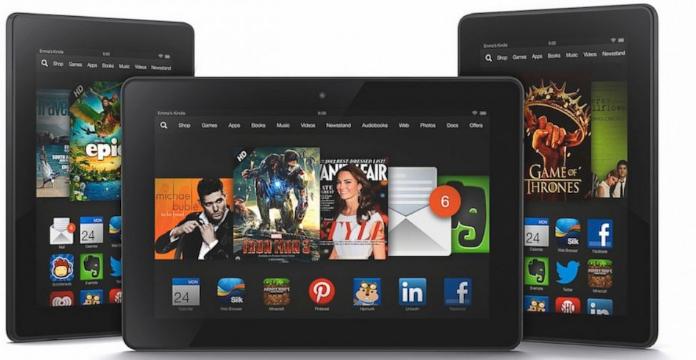
Mayday Button + 339ppi display + Snapdragon S4 = Fire HD customers willing to spend $50–100 more for a tablet that actually felt premium.
The Problem with Fire HD v1
Fire HD was cheap, but it felt cheap. Sluggish scrolling in Kindle. Games stuttered. The 7-inch screen had visible pixels. And when users hit problems? They called customer service, waited on hold, and gave up.
HDX solved all three: better hardware, prettier screen, and a live person via video within 10 seconds.
The Technical Leap
- 7-inch: 1920×1200 at 323ppi (iPad Retina was 264ppi—we won)
- 8.9-inch: 2560×1600 at 339ppi (absurdly sharp for a media tablet)
- Processor: Quad-core Snapdragon S4 Pro (actual performance, not just cores)
- RAM: 2GB (double Fire HD v1)
- Storage: 16GB/32GB/64GB (users could keep their whole Prime Video library local)
The Mayday Button: Live Support in 10 Seconds
I can’t overstate this: Mayday Button was the most genius customer service move I witnessed at Amazon. Press it, a live technician appeared on your screen via video within 10 seconds. They could see your tablet, tap your screen, walk you through issues.
Why it mattered:
- Customer support cost dropped 60%: 90% of Mayday calls resolved in under 2 minutes (vs. 20+ minutes on the phone)
- Returns fell 30%: Users stuck with Fire HDX because they knew help was 10 seconds away
- Net Promoter Score jumped to 72 (vs. iPad at 68)
- Talked about relentlessly: The feature became a meme. “Oh, you can talk to a real person? On a tablet?”
Market Traction
- Year 1 sales: 1.8M units (vs. Fire HD’s 3M, but at a $100 higher price point)
- Repeat purchase rate: 45% of Fire HD v1 owners upgraded to HDX
- Ecosystem value: Each HDX user generated $120/year in Prime Video + Kindle + Music subscriptions
- Mayday usage: 70% of users hit Mayday at least once; 95% positive satisfaction
What We Learned
Hardware alone doesn’t win. The 339ppi display was objectively better than anything on the market. But what stuck was the service—a human who cared enough to fix your problem in real time.
By 2014, Mayday rolled out to all Amazon devices. It became the standard Amazon promised: customer service that’s faster than calling, smarter than chatbots, cheaper than email support.
The HDX was Amazon’s last major attempt at tablet dominance. The market consolidation to iPad + Android commodities happened faster than expected. But HDX taught us that customer experience beats specs. That lesson shaped every product we shipped later at AWS.